
How do you saw wood in a straight line?
For some wood turners, after the machine and the processor have been purchased and set up, the band saw is the following buy for substantial apparatus. A couple of basic advances improve it a device for wood turners and other woodworkers. We all like straightforward and sweet right? Indeed, I do. Also, this technique is attempted and demonstrated, and on the off chance that you get it down, it is greatly basic.
For rough work this won't be an issue, yet on the off chance that you need a "processing plant cut", you'll need to get yourself a circular observed that has been checked for arrangement. Circular saws may in any case "work" even after they've been dropped, however relying upon how it fell, I can nearly ensure that the base-plate has been salvageable harmed. So taking great consideration of your circular saw is critical and will have the effect between you having the capacity to utilize it for more exactness situated undertakings or not. Alright, enough on that. We should proceed onward to the technique by which you will accomplish your "machine cut". Presently you're going to need to gauge the separation between the right-hand side of the base-plate edge and the saw sharp edge.Check out How do you put a blade on a circular saw?
This separation will change contingent upon your saw, however it ought to be in the 25~40mm neighborhood.
Steps to saw wood in straight line:
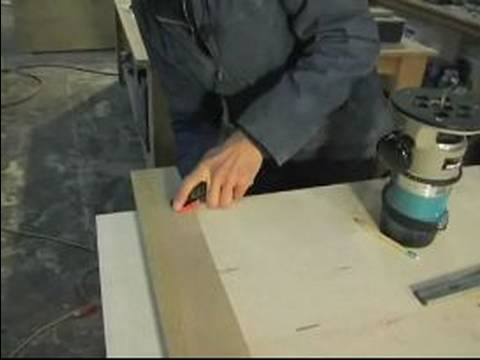
- Lay your work piece on the table. Raise your board with garbage wood so you won't cut into your table.
- Presently measure and check where you need to cut. From these imprints subtract the separation I referenced above and make a second check. Place your straight-edge on these second stamps and cinch them down. Ensure the clasps are put so as not to meddle with the saw as it passes. There will be times when the work piece is unreasonably wide for the middle cinches (the end clasps will dependably reach) to squeeze specifically onto the straight-edge. In these cases utilize separate sheets of fitting length that extend to the straight-edge from the edge of the work piece and cinch these down. (Note that they should knock into the straight-edge in order to keep it from being pushed back toward the clasps by the circular observed.
- Twofold check your straight-edge position and you're prepared to begin cutting.4.into the straight-edge and cut easily through your work piece
- Run your circular saw Take care to always be applying adequate weight against the straight-edge to guarantee your saw doesn't leave far from it inadvertently. Also, similarly as critical, ensure your braces are holding all circular OK so that as you push against the straight-edge, you won't move its arrangement. Ensuring your saw edge is sharp is another essential point. Utilizing a dull sharp edge will make you apply undue power on the work piece, bringing about you not having the capacity to tell whether you're reaching the straight-edge or not. Eventually, you run a genuine danger of either leaving far from the straight-edge, or applying to much power and driving the straight-beat of position. In the two cases you wind up with a terrible cut, sat circular idly and material, and perhaps an awful rest of the day.
.jpg?timestamp=1547742666135)
On the off chance that you have done these means effectively, you ought to have a pretty much immaculate "manufacturing plant cut" that will fit butt to butt with some other industrial facility cut board. This entire procedure may sound troublesome or tedious, yet on the off chance that you become accustomed to it, you can figure out how to do it very quick.